 English
  العربية
 Español
 Русский
Fresh-cut salads are becoming increasingly popular in supermarkets, central kitchens, restaurants, and ready-to-eat food production. For processors of lettuce, spinach, arugula, kale, beet greens, and other leafy vegetables, a reliable vegetable salad washing line is essential for improving production efficiency, product cleanliness, and final product quality.
Unlike root vegetables or hard fruits, leafy vegetables are soft, light, and easily damaged during processing. Therefore, choosing the right washing, drying, and cutting equipment is very important for salad production.
In this article, Joyshine will explain the key points to consider when choosing a suitable vegetable salad washing line.
1. Understand Your Raw Materials
The first step is to confirm what kind of vegetables you need to process.
Common raw materials for salad production include:
- Lettuce
- Romaine lettuce
- Spinach
- Arugula
- Kale
- Beet greens
- Cabbage leaves
- Mixed leafy vegetables
Different vegetables have different shapes, weights, and cleaning requirements. For example, lettuce leaves are light and delicate, while kale and cabbage leaves may be thicker. A good leafy vegetable washing line should clean the material effectively without causing serious damage to the leaves.
Before choosing equipment, you should tell the supplier your main raw materials, leaf size, dirt level, and final product type.
2. Choose the Right Processing Capacity
Processing capacity is one of the most important factors when designing a salad washing line.
Small and medium salad factories may need a capacity of 300 kg/h to 500 kg/h, while larger vegetable processing plants may require 1000 kg/h or more.
When confirming capacity, you should consider:
- Daily production volume
- Working hours per day
- Raw material loss rate
- Future production expansion
- Available workshop space
For example, a 300 kg/h vegetable salad washing line is suitable for small and medium fresh-cut vegetable processors, central kitchens, and local salad suppliers. It can provide stable production while keeping the equipment layout relatively compact.
3. Use Multi-Stage Washing for Better Cleaning
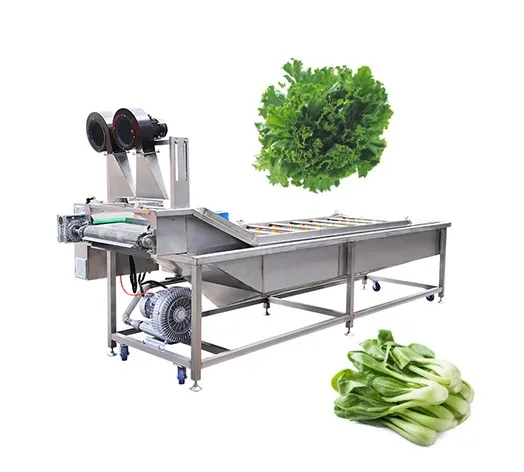
For leafy vegetables, one washing step is usually not enough. Soil, sand, small insects, and other impurities may remain between the leaves.
A common solution is to use a three-stage bubble washing system.
The first washing machine is used for initial cleaning. It removes visible soil, sand, and impurities from the vegetable surface.
The second washing machine can be used for deeper cleaning or disinfection treatment, depending on the customer’s process requirements.
The third washing machine is used for final rinsing, helping ensure the vegetables are clean before drying or cutting.
Bubble washing is widely used for leafy vegetables because the air bubbles and water flow can gently separate and clean the leaves. Compared with rough mechanical washing, it helps reduce damage to delicate vegetables.
4. Add Air Drying Before Cutting or Packaging
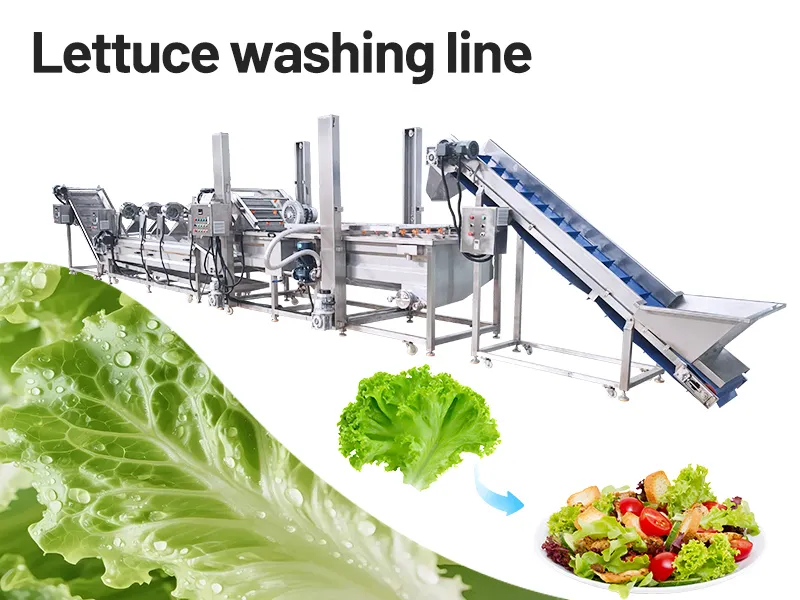
After washing, leafy vegetables usually carry a large amount of surface water. If the water is not removed properly, it may affect cutting, weighing, packaging, and shelf life.
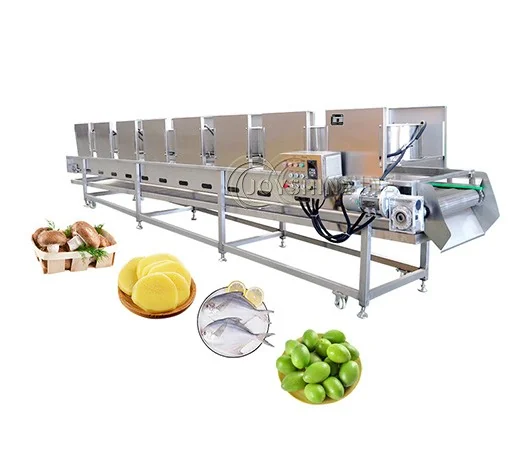
That is why an air-drying line is often used after washing.
The air-drying section helps remove excess water from the vegetable surface through airflow. For salad production, this step is very important because it helps keep the final product cleaner, fresher, and easier to package.
A suitable air-drying line should be gentle enough for leafy vegetables while providing enough drying effect for the next processing step.
5. Match the Vegetable Cutter with Your Final Product
If the final product is fresh-cut salad, a vegetable cutter is usually needed after washing and drying.
The cutter should be selected according to the final cutting size and product style. For example, some customers need large lettuce pieces for salad bowls, while others need smaller cut leaves for mixed salad bags.
A good vegetable cutter should provide:
- Uniform cutting size
- Stable cutting performance
- Easy adjustment
- Simple cleaning
- Food-grade stainless steel structure
Uniform cutting can improve the appearance of the final product and make packaging more consistent.
6. Pay Attention to Workshop Layout
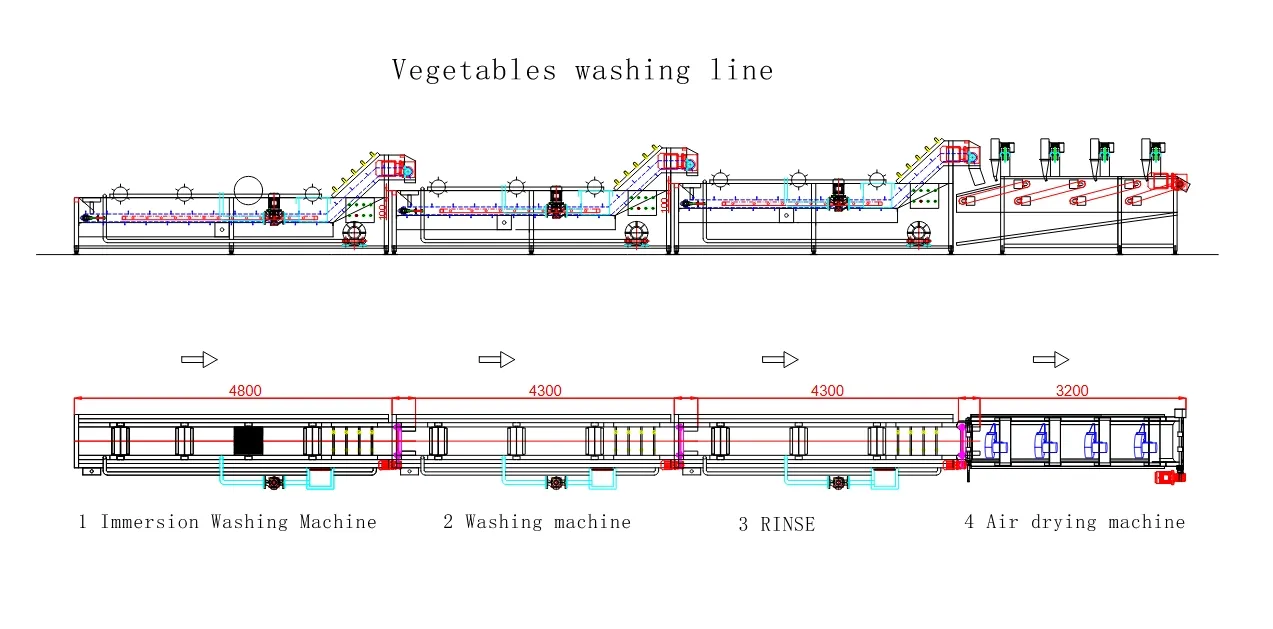
A vegetable salad washing line is not just a group of machines. The layout of the whole line directly affects production efficiency.
A good layout should make the process smooth from feeding to washing, drying, cutting, and collecting. It should also leave enough space for workers to operate, clean, and maintain the machines.
When designing a salad processing line, the supplier should know your workshop size, water drainage position, power supply, door width, and production flow direction.
For customers with limited workshop space, a compact layout can reduce material transfer distance and improve daily operation efficiency.
7. Choose Food-Grade Stainless Steel Equipment
Food safety is very important in vegetable and salad processing. Since the equipment is in direct contact with fresh vegetables and water, stainless steel construction is strongly recommended.
When choosing equipment, you should check:
- Machine material
- Welding quality
- Cleaning convenience
- Drainage design
- Food contact parts
- Electrical safety
High-quality stainless steel equipment is easier to clean, more durable, and more suitable for long-term food processing use.
8. Consider Customization
Every customer’s production needs are different. A standard machine may not always be the best solution.
A professional supplier should provide customized design according to:
- Raw material type
- Required capacity
- Cleaning process
- Workshop size
- Final product form
- Budget
- Local voltage and installation requirements
For example, Joyshine has designed vegetable salad washing lines for customers processing lettuce and other leafy vegetables. The complete solution can include bubble washing machines, air drying equipment, vegetable cutters, conveyors, and layout design according to the customer’s actual factory conditions.
Conclusion
Choosing the right vegetable salad washing line can help improve cleaning efficiency, reduce labor cost, protect delicate leafy vegetables, and produce higher-quality fresh-cut salad products.
For lettuce, spinach, arugula, kale, and other leafy greens, processors should pay attention to raw materials, capacity, washing stages, drying effect, cutting requirements, equipment material, and factory layout.
Joyshine provides customized fruit and vegetable processing solutions for global customers. Whether you need a small 300 kg/h lettuce washing line or a larger fresh-cut salad processing line, our engineers can design a suitable solution according to your production requirements.
Contact Joyshine
If you are planning a vegetable salad processing project, please send us your raw materials, required capacity, workshop size, and final product type.
Joyshine will help you design a suitable leafy vegetable washing and salad processing line for your factory.
You may also read our Argentina 300 kg/h Vegetable Salad Washing Line Project to learn how Joyshine designed a customized solution for lettuce and leafy vegetable processing.