 English
  العربية
 Español
 Русский
Seasoning is the stage where a snack product becomes a recognizable flavor experience. Even if frying, baking, or drying is stable, uneven distribution of salt, spices, oil, or slurry can cause inconsistent taste, excessive powder use, breakage, and complaints from buyers.
An industrial seasoning machine helps processors apply dry and liquid flavors consistently while keeping product movement gentle. For potato chips, French fries, extruded snacks, nuts, and similar products, a rotary drum system can connect the upstream production line to packaging with a controlled, repeatable seasoning process.
This guide explains how rotary drum seasoning works, how to choose between powder and liquid application, and which specifications matter when selecting a machine for an industrial snack line.
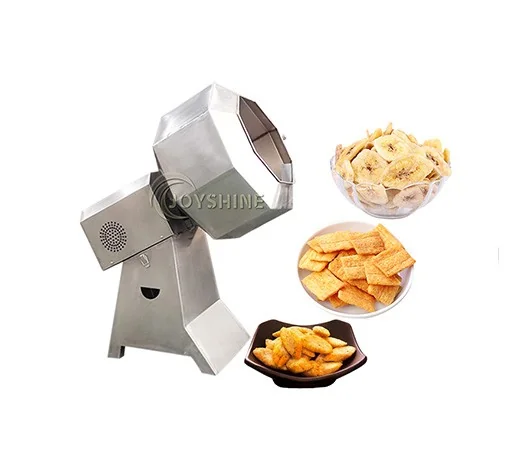
A rotary seasoning drum uses controlled tumbling, powder feeding, or liquid spraying to coat snack products evenly.
How a Rotary Drum Seasoning Machine Works
A rotary drum seasoning machine uses an octagonal or cylindrical drum with internal baffles. Fried or baked product enters through an infeed conveyor and tumbles gently as the drum turns. This action exposes product surfaces repeatedly without relying on harsh mechanical agitation.
Dry seasoning is normally supplied through a hopper and screw feeder. The feeder meters powder into the moving product stream. For oil, slurry, or other liquid flavors, fine spray nozzles distribute the coating over the tumbling product.
The process has five practical stages:
- Product infeed from the fryer, cooler, oven, or upstream conveyor.
- Seasoning dosing through a powder feeder or liquid spray system.
- Tumbling and coating inside the drum.
- Residence-time control through drum angle and rotation speed.
- Discharge to an outfeed conveyor and a food packaging machine.
Powder Seasoning vs. Liquid Seasoning
The correct dosing system depends on the product, recipe, and required finished texture.
| Seasoning method | Typical materials | Best fit | Main control points |
|---|---|---|---|
| Powder feeding | Salt, spice blends, cheese powder, BBQ powder, sugar | Potato chips, puffed snacks, crackers, fries | Screw feeder speed, powder flow, drum residence time |
| Liquid spraying | Oil, honey, liquid flavors, slurries | Nuts, coated snacks, specialty fries, products needing a binder | Nozzle pattern, spray volume, droplet size, product temperature |
Many snack recipes use both systems. A light oil or slurry layer can act as a binder before a dry powder is added. This sequence should be tested on the real product because too much liquid can make crisps soften, while insufficient binder can cause powder to fall off during conveying and packing.
Key Selection Factors for an Industrial Seasoning Machine
1. Match Capacity to the Upstream Line
The seasoning machine should process at least the same hourly output as the fryer, oven, or cooling section feeding it. Joyshine rotary seasoning machines are listed from 100 to 1,000 kg/h, with customizable configurations. Choosing an undersized drum can cause product buildup, while an oversized unit may make low-output production harder to control.
For example, a French fries production line can be configured from 100 to 2,000 kg/h raw potato input. The seasoning stage should be selected according to the finished product flow arriving after the preceding process, not only according to raw-material input.
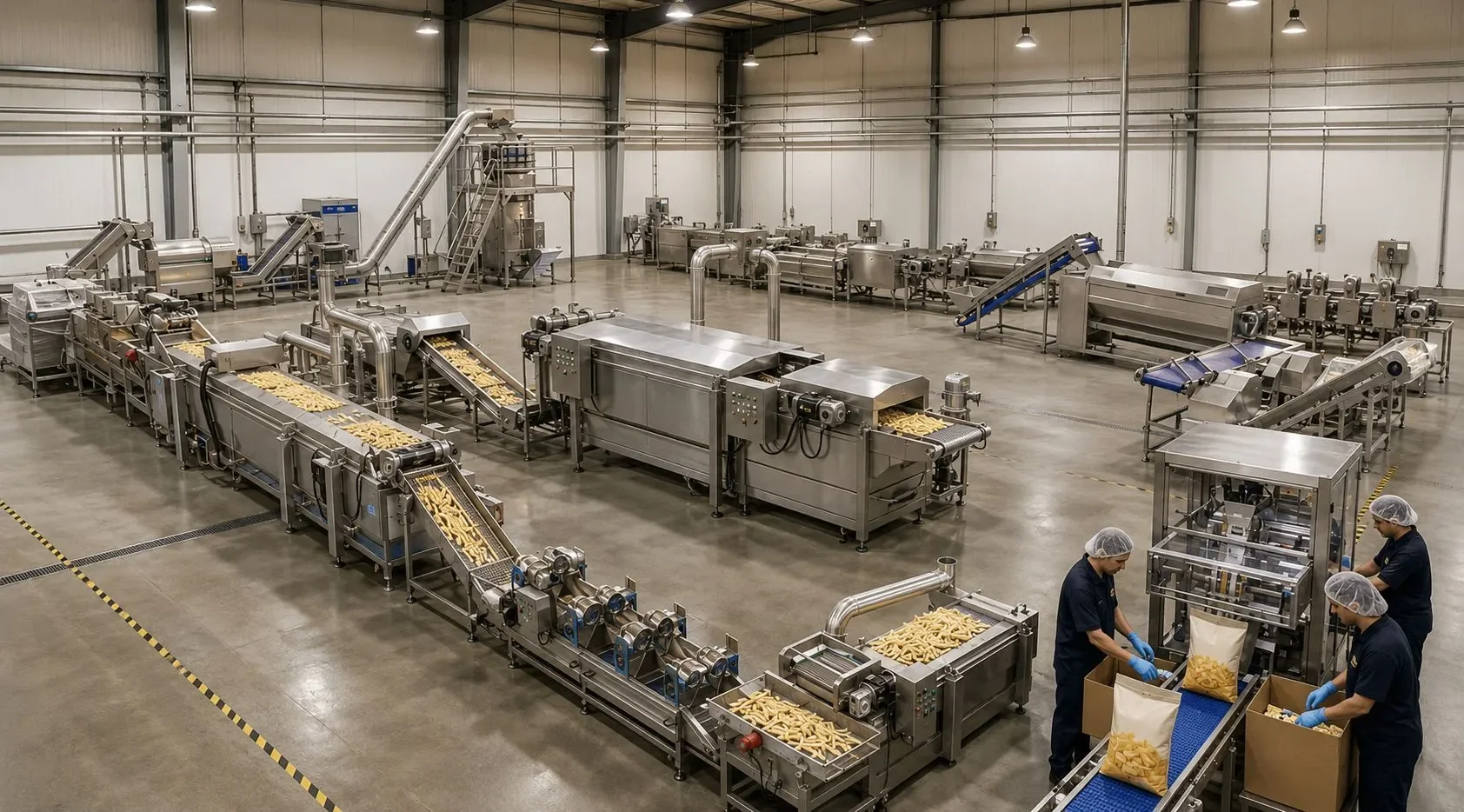
The seasoning section should match the actual finished-product flow from the upstream line.
2. Choose Drum Geometry for Product Fragility
Chips and fragile extruded snacks need gentle handling. A drum with suitable internal baffles supports repeated turnover while limiting breakage. Nuts, fries, and denser products can generally tolerate more tumbling intensity.
Key adjustable elements include:
- Drum rotation speed
- Drum angle
- Internal-baffle design
- Infeed and discharge transfer height
Joyshine lists drum speed from 5 to 25 rpm and drum angle from 0 to 15 degrees for its seasoning machine range. These controls help change product residence time and movement intensity without changing the entire machine layout.
3. Specify the Dosing System Around Your Recipe
Do not select a seasoning machine based only on the drum. The dosing system determines whether the recipe can be applied reliably.
For powder recipes, check the hopper capacity, screw feeder control, powder flow behavior, and access for cleaning. For liquid recipes, confirm whether fine-mist nozzles, a suitable pump, and a heated or insulated supply tank are needed for the selected coating.
A good supplier should test the actual seasoning material when it is hygroscopic, sticky, oily, or prone to bridging in the hopper.
4. Plan Cleaning and Flavor Changeovers
A snack line may run salt, barbecue, cheese, and other flavors during the same day. Residual powder or oil can create cross-flavor contamination if the machine is difficult to clean.
Look for smooth food-contact surfaces, removable or accessible drum components, and practical access to the hopper, screw feeder, nozzles, and collection areas. The Joyshine seasoning machine is designed with SUS 304 food-contact surfaces and a quick-removal drum arrangement for cleaning between flavor batches.
5. Connect Seasoning to Packaging Without Creating a Bottleneck
Seasoned product should move directly to cooling, accumulation, weighing, and packing as needed. For fragile chips and puffed snacks, transfer height and conveyor design matter because repeated drops increase breakage.
A potato chips production line already combines frying, seasoning, and packing stages. When specifying a stand-alone seasoning drum, provide the supplier with the upstream discharge height, product temperature, finished-product rate, bag format, and packaging speed so the connection can be designed correctly.
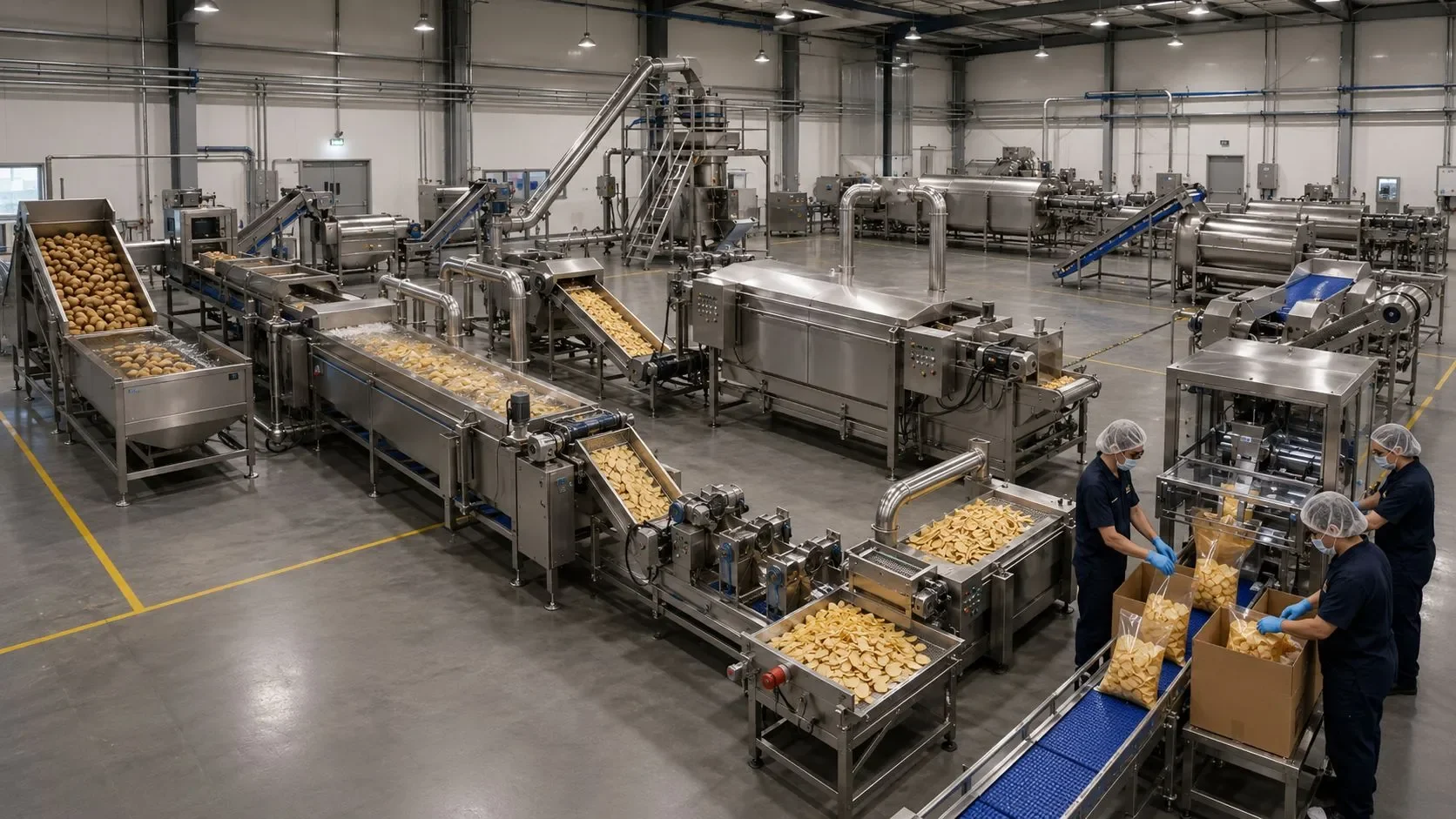
Seasoning, cooling, and packing should be planned as one connected finished-product section.
How to Improve Coating Uniformity and Reduce Seasoning Waste
Consistent flavor does not come only from adding more powder. It comes from controlled dosing, product movement, and effective adhesion.
Use these practical controls:
- Stabilize product flow before it enters the drum.
- Set the powder feeder speed based on the real product mass flow.
- Use a fine, even spray pattern when liquid binder is required.
- Avoid overfilling the drum, which reduces free tumbling space.
- Adjust angle and speed gradually during trials rather than changing several variables at once.
- Collect and evaluate loose seasoning at the discharge point; excessive fallout often indicates poor adhesion or overdosing.
- Validate flavor coverage after packaging, not only immediately after the drum.
Common Applications
A rotary drum seasoning machine can support several product categories:
- Potato chips: salt, cheese, barbecue, sour cream, and other dry seasoning blends.
- French fries: salt, spices, and specialty coatings for fresh or frozen fries.
- Extruded snacks: flavor powders for puffed corn, pellet snacks, rice crackers, and similar products.
- Nuts and seeds: salt, honey, spice blends, or oil-based coatings.
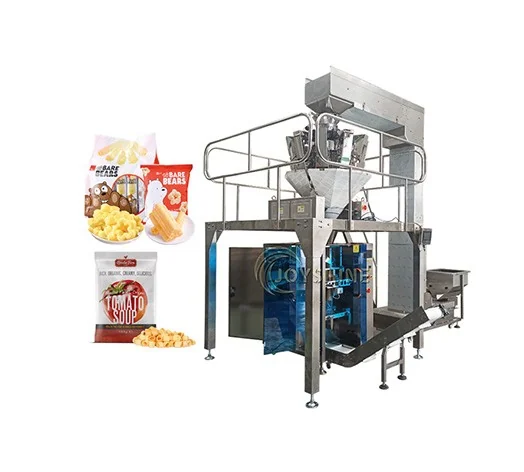
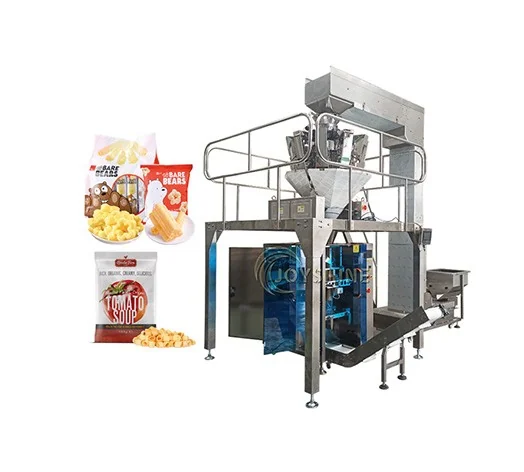
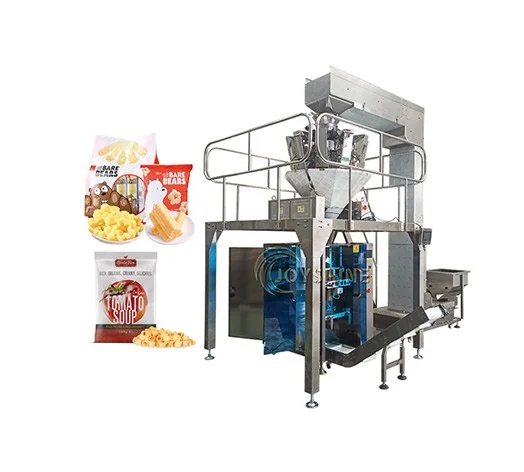
After seasoning, multi-head weighing and vertical form-fill-seal packing can help keep output stable.
Frequently Asked Questions
What is the best seasoning machine for potato chips?
A rotary drum seasoning machine with gentle tumbling, adjustable speed and angle, a controlled powder feeder, and easy-clean surfaces is suitable for potato chips. The final configuration should be tested using the actual chip thickness, oil level, and seasoning formula.
Can one seasoning machine apply both powder and liquid flavors?
Yes. A rotary drum can be equipped with a screw feeder for powders and fine-mist nozzles for liquids. Confirm the recipe and product temperature first because liquid application affects adhesion and finished crispness.
How can I reduce seasoning powder waste?
Match the feeder output to the actual product flow, avoid excessive drum loading, and use a suitable binder only when the recipe needs it. Inspect loose powder at discharge and adjust the dosing, drum speed, or product temperature based on the result.
Will a rotary drum break chips?
It can be configured for gentle handling. Product breakage depends on drum geometry, baffle design, rotational speed, fill level, and the height of product transfers before and after the drum. Use trials with the actual product to set the correct parameters.
Select a Seasoning System for Your Snack Line
The right seasoning system should match your product type, recipe, hourly output, cleaning requirements, and downstream packaging plan. Joyshine provides rotary drum seasoning equipment for powder and liquid flavoring applications, with configurable capacity and controls for chips, fries, snacks, and nuts.
Contact Joyshine with your product, expected capacity, seasoning type, and available factory layout to discuss a suitable seasoning and packaging connection.