 English
  العربية
 Español
 Русский
In industrial food processing, consistent cutting size is just as critical as throughput capacity. Whether you are producing French fries, fresh-cut salads, frozen diced carrots, or shredded cabbage, the quality of the cut determines the efficiency of downstream processes like washing, blanching, frying, and freezing.
An industrial vegetable cutting machine is an essential investment for food service centers, catering businesses, and large-scale food factories. But with so many variations in raw materials and desired shapes, how do you choose the right equipment?
This guide breaks down the key factors to consider, from cut types and machine capacity to line integration and maintenance.
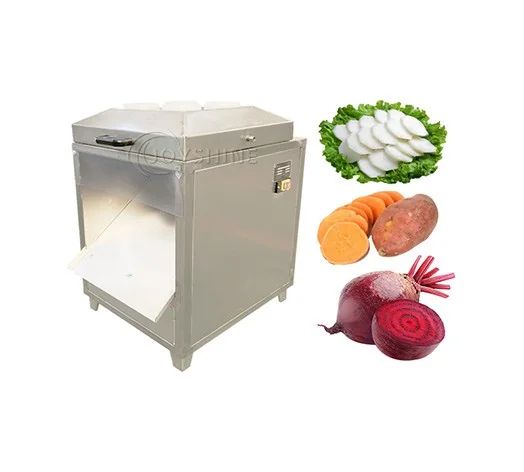
A multi-functional vegetable cutter allows operators to change blades quickly for different shapes and sizes.
1. Match the Machine to the Cut Type
The first step in selecting a cutting machine is defining the exact shape and thickness required for your final product. Most advanced industrial cutters offer interchangeable blade sets to handle different tasks.
Slicing
Slicing is required for potato chips, cucumber salads, and apple rings. A high-quality slicer produces clean edges without crushing the cellular structure of the produce.
- Key specification: Look for adjustable cutting thickness, typically ranging from 1mm to 20mm.
Dicing (Cubes)
Dicing is widely used for carrots, onions, taro, and potatoes, especially in soup mixes or frozen vegetable blends. Dicing requires a specialized grid blade that cuts the product in multiple directions simultaneously.
Strip Cutting
Also known as julienne or French fry cutting, this is critical for potato and sweet potato processing. The machine must handle long, firm root vegetables efficiently without breaking the strips.
Shredding and Chopping
Used primarily for leafy vegetables like cabbage, lettuce, and spinach for coleslaw or salad mixes.
2. Consider the Raw Material Characteristics
Not all cutting machines are designed to handle both hard root vegetables and delicate leafy greens.
Leafy Greens vs. Root Vegetables
Leafy greens are bulky and require a large feeding inlet to prevent jamming. On the other hand, firm, elongated root vegetables (like carrots and cucumbers) need to be fed in a specific orientation to achieve perfect slices or strips.
Solution: Look for a cutter with dual feeding inlets. Joyshine’s vegetable cutting machines feature a large inlet (150×200 mm) for bulky vegetables and a smaller inlet (Φ30-80 mm) with a guide tube specifically for elongated roots.
3. Capacity and Throughput Requirements
The machine's capacity must align with your daily production goals and match the throughput of your overall processing line.
- Small to Medium Facilities: A 200–500 kg/h machine (e.g., JS-VC-200 or JS-VC-500) is ideal for restaurants, local catering, or smaller fresh-cut operations.
- Large Industrial Factories: A 1,000–2,000 kg/h machine (e.g., JS-VC-2000) is necessary for high-volume canning, freezing, or continuous frying operations.
Note: The actual capacity will vary depending on the product being processed and the specific cut size (e.g., dicing 10mm cubes is typically faster than shredding 1mm strips).
4. Integration with the Processing Line
An industrial cutter rarely operates in isolation. It is usually the critical link between preparation and further thermal processing.
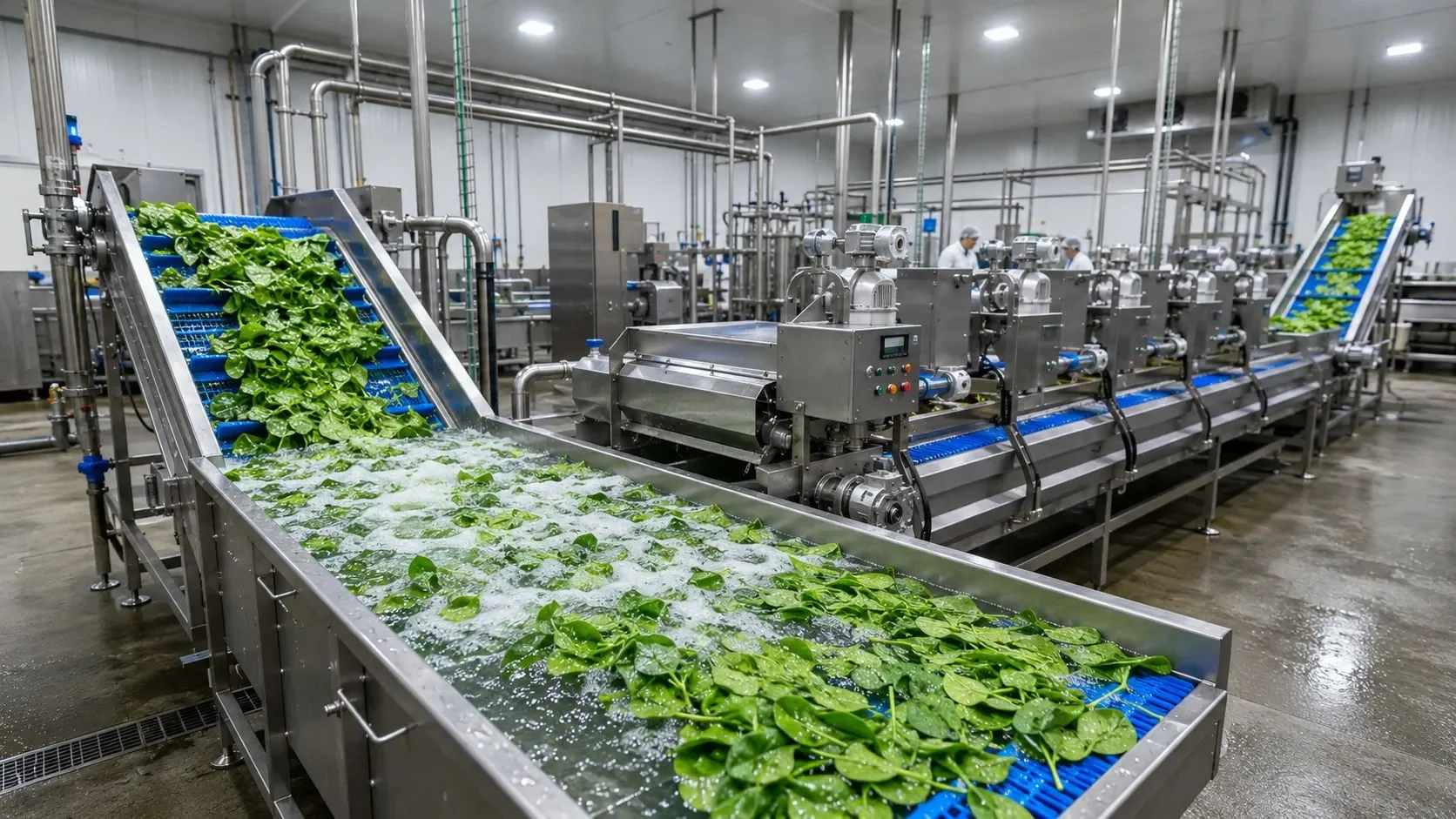
The cutter must be synchronized with the upstream washing equipment and downstream dewatering or cooking stages.
Upstream: Peeling and Washing
Before entering the cutter, root vegetables like potatoes and cassava must be thoroughly cleaned and peeled. Using an industrial potato peeling machine with abrasive emery or brush rollers ensures the raw material is clean and reduces wear on the cutting blades.
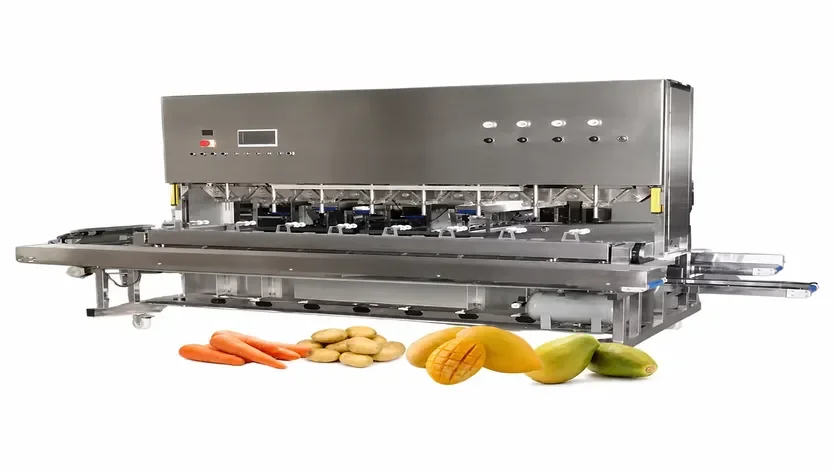
Abrasive peeling machines prepare root vegetables perfectly before they enter the cutter.
Downstream: Washing, Dewatering, and Cooking
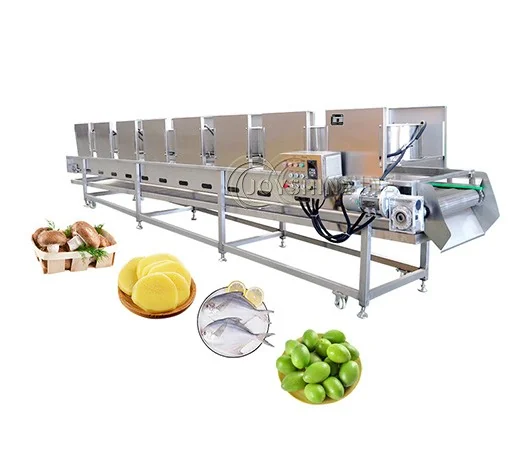
Once cut, products often require a secondary wash to remove surface starch (crucial for potatoes). After this wash, excess water must be removed before packaging or frying. A centrifugal vegetable dewatering machine efficiently removes 95%+ of surface water, ensuring the cut vegetables do not clump in the fryer or freezer.
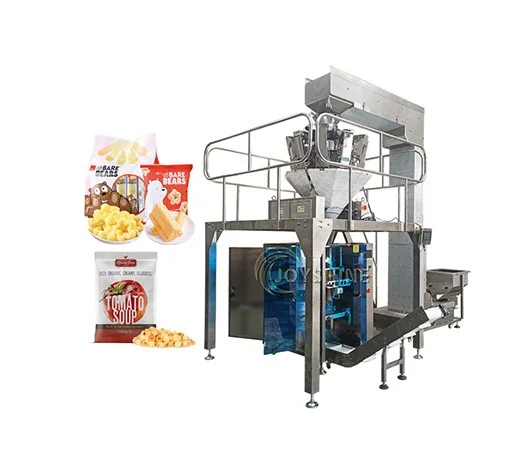
Removing surface water after cutting is essential before frying or freezing.
5. Blade Material and Food Safety
In food processing, hygiene and durability are non-negotiable.
- Machine Body: Ensure the entire body and all food-contact parts are constructed from food-grade SUS 304 stainless steel. This prevents rust and allows for aggressive daily washdowns.
- Cutting Blades: The blades should be made of high-carbon stainless steel. This material holds a sharp edge longer, ensuring clean cuts that minimize bruising and extend the shelf life of fresh-cut produce.
6. Maintenance and Cleaning
A machine that is difficult to clean will harbor bacteria and slow down production changeovers. When choosing a cutter, evaluate how easily it can be disassembled.
Operators should be able to remove the blade sets, feeding inlets, and discharge chutes in minutes without specialized tools. This allows for thorough sanitation and quick switchovers between different cut types (e.g., switching from slicing cucumbers to dicing carrots).
Frequently Asked Questions
Can one machine really do slicing, dicing, and shredding?
Yes. Multi-functional vegetable cutting machines use interchangeable blade sets. By swapping the blade drum—which takes an operator about 2 to 3 minutes—the machine can switch between slicing, dicing, strip cutting, and shredding.
How do I control the thickness of the slices?
Cutting thickness is adjusted by selecting the appropriate blade set and fine-tuning the cutting gap. High-quality machines offer adjustments ranging from 1mm up to 20mm.
Does machine cutting damage delicate leafy greens?
Not if the machine is designed correctly. High-speed rotating blade drums, combined with properly sized feeding inlets, slice through leafy vegetables cleanly without crushing or bruising the cellular structure.
How often do the blades need to be replaced?
This depends on the processing volume and the toughness of the vegetables. High-carbon stainless steel blades are highly durable and can be resharpened multiple times before requiring full replacement.
Find the Right Cutting Solution for Your Factory
Choosing the right vegetable cutting machine improves product appearance, reduces waste, and streamlines your entire production line. Whether you need a compact 200 kg/h slicer for a commercial kitchen or a heavy-duty 2,000 kg/h dicer for an IQF freezing facility, the equipment must match your specific raw materials.
Contact Joyshine Machinery today. Tell us your product type, desired cut shapes, and capacity requirements, and our engineers will provide a tailored equipment proposal and quotation.